Showing posts with label Hair. Show all posts

Sunday, September 19, 2010

Photodynamic Therapy Hair Removal

Basic facts

An experimental method combining chemicals and radiation to induce controlled hair loss or reduction.

Description

A chemical is administered which selectively pigments a follicle's regenerative structures.

Laser or other radiation selectively targets the darkened cells while sparing surrounding tissue.

Advantages

Theoretically could target any hair color.

Disadvantages

Experimental.

Commercial use is not expected in the foreseeable future.

Quack claims

None at this time.

Background

Hair growth cells and cancer cells share some interesting characteristics: rapidly dividing with multiple potentials for differentiation. This is part of the reason many combinations of chemotherapy and radiation result in hair loss: they disrupt the same kinds of cellular activity. [1] It has been theorized that combinations of these drugs and radiation may be used to induce a controlled amount of hair loss or reduction.

History

Photodynamic therapy (PDT) has been useful in treating some types of cancers. Certain chemicals have been observed to darken some types of skin cells, which can then be selectively targeted by laser to induce apoptosis or "programmed cell death." Recent data suggests PDT may have uses in the treatment of acne as well.

In addition, the presence or absence of certain genetic markers in mice such as p53 have been observed to be "on-off" switches for chemical/radiation induced hair loss. Learning to manipulate genetic markers like these in conjunction with chemicals and/or radiation may lead to new hair reduction treatments.

Clinical data

This has been proposed as a theoretical possibility of hair removal, and in 1995 an experimental clinical trial was performed. However, commercial use of the procedure is not expected in the near future.

Article Source : www.hairfacts.com

X-ray Hair Removal

The discovery of x-rays in 1895 captured the imagination of both scientists and the general public. Before the effects of x-rays were fully understood, x-rays also captured the imagination of quacks, who began opening women's hair removal clinics almost as soon as x-ray researchers began reporting they were losing their hair.

Murray Bookchin notes, “By the 1920's many physicians, beauticians, and self-appointed 'epilation specialists' had begun to treat women with radiation for the removal of 'superfluous hair.'”

This led to the darkest chapter of hair removal quackery in U.S. history: The heavily-marketed Tricho System by Albert C. Geyser, M.D. At his New York “Tricho Institute,” Dr. Geyser trained beauticians for two weeks and then leased his x-ray device to them for use in salons across the U.S. and Canada.

According to Tricho System ads gathered by the Museum of Questionable Medical Devices, the Tricho x-ray method was a “harmless” way to avoid "futile, dangerous and injurious means of removing disfiguring superfluous hair."

Young female clients would receive a four-minute dose of x-rays directly to the face, often once a week for several months. The treatments often caused permanent removal of hair, but they also eventually resulted in wrinkling, atrophy, white or brown fibrous splotches, keratoses, ulcerations, carcinoma, and death for many clients.

Tricho System victims have been estimated in the thousands. Some ended up severely disfigured, and many required multiple surgeries to remove cancerous growths and tumors. By 1970, one study estimated that over one-third of all radiation-induced cancer in women over a 46-year period could be traced to x-ray hair removal. The characteristic effects were dubbed “North American Hiroshima maiden syndrome” due to similar effects seen in Japanese nuclear bomb survivors.

Although x-ray hair removal is now outlawed in the U.S., it was ultimately bad press and word of mouth that discredited this quack device in the 1940's. The FDA ban was merely a formality. This is a valuable lesson for all consumer activists. Since regulation can take years to be enacted, the best way to fight quackery is to get the word out to the public as quickly and pervasively as possible.

Article Source : www.hairfacts.com

Electrology Hair Removal


Electrology is the practice of electrical epilation to permanently remove human hair. The actual process of removing the hair is referred to as electrolysis. The practitioner slides a solid hair-thin metal probe into each hair follicle. Proper insertion does not puncture the skin. Electricity is delivered to the follicle through the probe, which causes localized damage to the areas that generate hairs, either through the formation of caustic lye (galvanic method), overheating (thermolysis method), or both (blend method).

The practitioner selects a probe that slides easily into the hair follicle, usually the same diameter as the hair shaft or smaller. Care is given to insert the probe at the same angle as the hair is growing out of the skin. The power and duration of the electricity are started at the lowest setting, then titrated up until the hair comes out as easily as possible. If the patient experiences significant discomfort, the settings can be lowered.

Most practitioners will advise that complete removal of facial hair takes between 1 and 4 years, with an average treatment length of 2 years.

In the United States, electrolysis is regulated in many states, requiring training and licensure.

Electrolysis as a profession faced new competition in the 1990s after laser hair removal was developed and promoted as a quicker and easier way to remove hair. The Food and Drug Administration declared laser and similar devices can only claim to reduce hair growth, not permanently remove it. Many who have had laser surgery have noted that it seems to only shock the hair follicles into a temporary state of "hibernation," without permanently destroying them. Some laser or light treatments can permanently bleach the skin.

Epilator (Hair Removal)


An epilator is an electrical device used to remove hair by mechanically grasping multiple hairs simultaneously and pulling them out. The way in which epilators pull out hair is similar to waxing, although unlike waxing, they do not remove cells from the epithelium of the epidermis.[1] Aside from the spring in early spring-type epilators, there are no parts in epilators that require regular replacement. Epilators come in corded, rechargeable and battery operated designs.

Epilation can be painful to some people because, as with waxing, it involves pulling hair out of the roots. Because of the pain involved being particularly bad on the first epilation of an area, some people prefer to have the area professionally waxed first, then use epilation to remove regrowth.

The rotating disc design has been refined such that, in modern designs, the plates are no longer complete discs. The head of a modern epilator incorporates a series of metal plates mounted in a plastic housing. The ends of the plates may be exposed at one or both sides of the housing. As the head rotates, the tips of the plates move together and apart once per revolution. This creates a tweezing effect, where the hair between the plates when they close is pulled as the plates rotate away from the skin, then released as the plates separate. This allows a continuous cycle of gripping, pulling, extracting and discarding the hair as the epilator is moved across the skin.

Depending upon the strength and brittleness of the hair, some may snap off rather than being pulled out. Because those hairs snap off just above the skin surface, they can look somewhat like stubble from shaving, but are far more sparsely spread because the other hairs have been pulled out entirely. As with waxing, because of the phases of growth that occur with hair, there is not as much regrowth following the first epilation. Regular epilation of regrowth is less painful than the initial epilation and the number of broken off hairs diminishes with regular epilation.

There are now numerous brands of tweezer type epilator available. Even Epilady discontinued their spring type and now produce a variety of tweezer type models.

Remedies for Permanent Hair Removal Using Turmeric

Since Cleopatra shaved her legs with the edge of a shell, women have searched for a better and more lasting way to remove unwanted hair from the face, legs and underarms. Shaving is the most common method, but it only lasts a few days. Waxing, body sugaring and depilatory creams can give you a couple of weeks between sessions. The versatile spice from India, turmeric, provides the potential for more effective removal.

Turmeric Paste
1. In India, women use turmeric to remove unwanted hair and some claim it can permanently inhibit hair growth. To try this remedy and judge the effectiveness for yourself, mix ½ cup of turmeric with enough milk to make a thick paste. Spread this on your legs in the direction of hair growth and let it dry. Using your hand or a dry washcloth, scrub your legs in a circular motion, removing the paste and hair along with it. Repeat the treatment every few days or as you see hair growth. After using this remedy for a few months you may notice the hair is finer and takes longer to grow back.

You can feel safe using this method of hair removal since it has been used on babies in India for centuries. Some babies are born with excess hair all over their bodies. For aesthetic and cleanliness reasons, some mothers want to remove this hair. They begin rubbing turmeric on the baby's skin as early as a month old. After a couple of months, the baby may be practically hairless.

Another way to mix the paste is to add the turmeric powder to plain, unsweetened yogurt. The acidity of the yogurt may be beneficial for skin. If you add a little flour to the paste, it dries the oil into your skin to help with the removal process.
Considerations
2. Turmeric powder sold for cooking leaves your skin with a yellowish tinge. If you have access to an Asian or Middle Eastern market, look for kasturi turmeric, which may be sold as kasturi haldi or kasturi manjal. It is lighter in color and may not leave such a stain. If you can't find the lighter turmeric, regular turmeric powder is fine. Lessen the discoloration by dipping a cotton ball in milk and rubbing it all over your lip, chin, legs or wherever you used the paste.

Monday, September 6, 2010

Sugaring


Sugaring hair removal, an ancient middle-eastern practice uses an all natural paste or gel made from food-derived ingredients like sugar, water, and lemon juice to remove the hair follicle from the root. The results can last up to six weeks. While there are many recipes, only natural ingredients are used in real sugaring. It's also been called sugar waxing, although not a correct term, because it's done very similar to waxing.
How Does it Work?
The two types of sugaring, using the paste and gel are performed differently. Here's how:

* The paste. Considered the traditional technique, a warmed thick mixture is applied first in the opposite direction of hair growth and then in the direction of hair growth using the hands. It's then flicked off in the in the direction of hair growth. See this sugaring technique performed.

* The gel. Performed similarly to waxing, the gel is applied in the direction of hair growth and removed in the opposite direction.


Learn more about these differences: Sugar Wax Vs Sugar Paste
The Pros
1. Someone experienced can do sugaring quickly with the paste. Large amounts of hair can be taken out at once, and finished faster than even waxing. With most waxes, you have to apply them to a limited area- remove, go to your next area- remove and so forth. With sugaring hair removal you can speed things up by applying the paste to a very large area, and it won't dry out, even if you take it off in smaller sections.

2. Easy clean up. Both the paste and gel are water soluble, meaning you can clean off any residue left on the skin with plain water, unlike regular wax.

3. Sugar right in your own home. Entire sugaring hair removal kits, supplies can be bought online, or you can whip your paste at home. (Be aware of conditions or circumstances in which you shouldn't sugar, and follow all instructions).

4. Sugar paste can be applied over missed hairs. The paste is very gentle and can be put right over an area that was just sugared but missed some hairs, without fear of much irritation.

5. Temporary results can turn into permanent. Over time, frequent sugaring can cause the hair follicle to become damaged, and stop growing hair.

The Cons
1. It's hard to find a pro that does real sugaring using the paste. Some salons and spas use a wax that has been mixed with sugar, and advertise it as sugaring- but it isn't the same. Few places offer the real method.

2. Getting just the right consistency can be tricky. If you make your own paste at home, you'll have it get it just right for the paste to hold on to the hair.

3. Some hair growth is needed. 1/16 of an inch is needed when using the traditional sugaring technique with the paste, which is about 2-5 days of hair growth after shaving. Using sugaring gel requires 1/4 inch of hair growth.

4. Lack of knowledge or cleanliness can lead to disaster. If sugaring contradictions (circumstances or conditions when you shouldn't get sugaring) are simply unknown or ignored, skin could end up extremely red, and even become scabby. Salons or spas not adhering to safe and sanitary sugaring procedures could give a client a skin infection, or even a disease.

Source : hairremoval.about.com

Plucking

Plucking hair removal, also known by the more professional term of tweezing, uses tweezers to remove hair one by one. It takes the entire hair follicle from the root, lasting up to 6 weeks.
The Pros

1. It's convenient and good for control. So you have a lone, stray hair hanging out somewhere? With tweezing, you can quickly take it out, without any prep work. You have more control and accuracy when shaping brows.

2. Temporary results can turn into permanent. Over time, frequent tweezing can cause the hair follicle to become damaged, and stop growing hair. But, this wouldn't be so great if you wanted to change the shape of your brows.

The Cons

1. It’s tedious. You would need hours to tweeze a large area of hair. Just tweezing the eyebrows (get directions) alone, can take a half hour or more.

2. Some people tend to misuse tweezers. Short hairs can be hard to get with cheap or flimsy ones, and people often dig tweezers into skin trying to reach hair, causing scarring.

Ouch Factor
It’s the kind of annoying pain from pulling off a band-aid slowly, instead of all at once, but there are some ways you can lessen the pain. Tweeze your brows after you come out of the shower, or apply a warm compress to them so the hair and follicle is soft and relaxed. If it still really hurts, apply a numbing agent, found at your local beauty supply store.


source : http://hairremoval.about.com/od/tweezingorplucking/a/Tweezing101.htm

Shaving

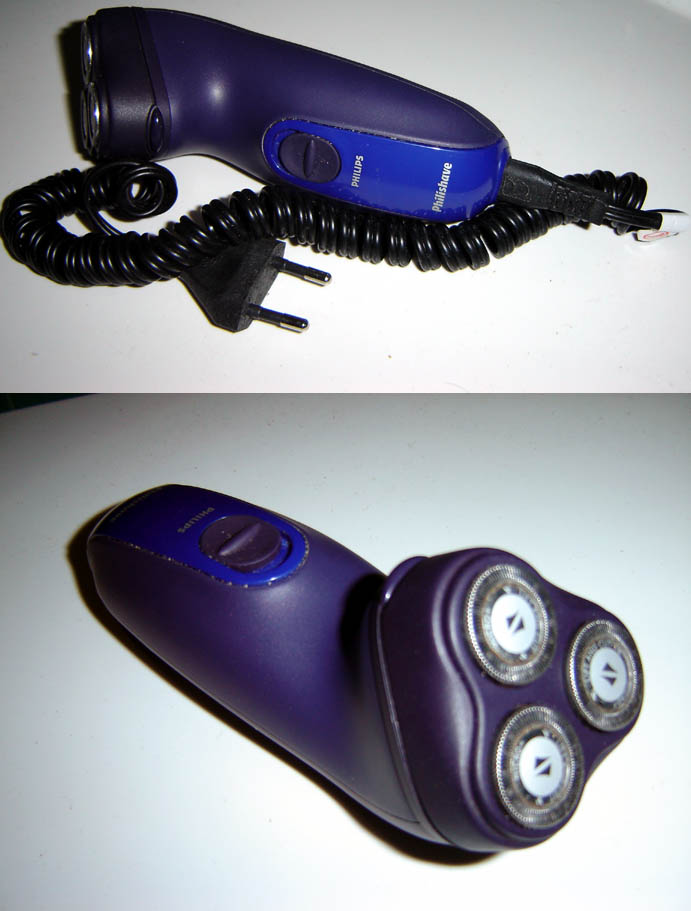
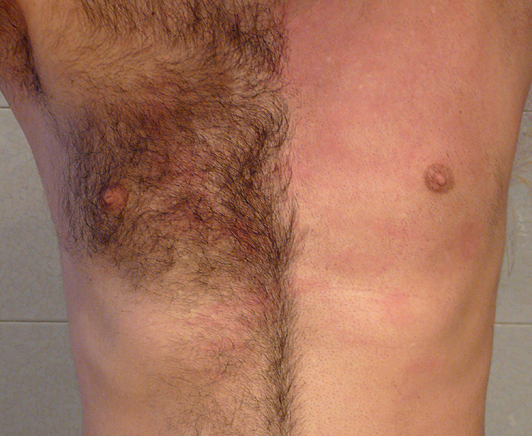
Shaving is the removal of hair, by using a razor or any other kind of bladed implement, to slice it down to the level of the skin. Shaving is most commonly practiced by men to remove their facial hair and by women to remove their leg, pubic and underarm hair. A man is called clean-shaven if he has had his beard entirely removed.


Both men and women sometimes shave their facial hair, undercheek hair, chest hair, abdominal hair, leg hair, underarm hair, pubic hair or any other bodily hair. Head shaving is much more common among men. It is often associated with religious practice, the armed forces and some competitive sports such as swimming, running and extreme sports. It has become common for men with partial baldness. Head shaving has also been used to humiliate, punish and show submission to an authority, and also as part of a fund-raising effort. The shaving of head hair is also sometimes done by cancer patients when their treatment may result in partial hair loss.

Waxing

Waxing is a method of semi-permanent hair removal which removes the hair from the root. New hairs will not grow back in the previously waxed area for two to eight weeks. Almost any area of the body can be waxed, including eyebrows, face, bikini area, legs, arms, back, abdomen and feet. There are many types of waxing suitable for removing unwanted hair.

Waxing is accomplished by spreading a wax combination thinly over the skin. A cloth or paper strip is then pressed on the top and ripped off with a quick movement against the direction of hair growth. This removes the wax along with the hair. Another method utilizes hard wax (as opposed to strip wax). In this case, the wax is applied somewhat thickly and with no cloth or paper strips. The wax then hardens when it cools, thus allowing the easy removal by a therapist without the aid of cloths. This waxing method is very beneficial to people who have sensitive skin.


Various types of waxing are available. Some must be performed by a licensed cosmetologist or esthetician. The different types of waxing that can be performed are:

* Eyebrow waxing
* Leg waxing
* Arm/underarm waxing
* Back waxing
* Foot waxing
* Chest waxing
* Entire body wax
* Bikini wax

Most parts of the body can be waxed, but other parts, not listed above are not given special consideration. Areas individuals should never wax include inside the ears and nose as well as eyelashes, eyelids, the palms of the hands, and the soles of the feet. These areas are of particular concern due to sensitive skin that can be severely damaged if waxed.

here are many benefits to waxing versus other forms of hair removal. It is an effective method to remove large amounts of hair at one time. It is a long-lasting method. Hair in waxed areas will not grow back for two to eight weeks. When hair is shaved or removed by depilatory cream, the hair is removed at the surface rather than the root. Within a few days, the hair can be seen at the surface. With these methods, hair tends to grow back in a rough stubble. Areas that are repeatedly waxed over long periods of time often exhibit regrowth that is softer.

Intense pulsed light (IPL)


Intense pulsed light (IPL), is a technology aimed at producing light of high intensity during a very short period of time. It involves specific lamps together with capacitors whose rapid discharge provides the high energy required.

It is most commonly employed by medical practitioners and estheticians, is a method of hair removal from the body. It involves the use of a specially constructed xenon flash lamp and focusing optics.

The Intense Pulsed Light hair removal process has become very popular due to its cheaper and faster procedure compared to laser hair removal. The comparison of effectiveness between Intense Pulsed Light and Laser Epilation is debated by scientists, equipment manufacturers and practitioners, but results are generally accepted to be roughly equivalent. It is also used for the treatment of the skin in a process known as photorejuvenation.

The focused, broad-spectrum light is applied to the surface of the skin by way of either a hand-held wand or an articulated arm. This light travels through the skin until it strikes the hair shafts or the bulb (root) of the hair. The bulb is usually where the highest concentration of melanin is located, as opposed to the rest of the hair shaft. As the light is converted to heat energy, the bulb and most of the hair shaft are instantly vaporized. The intense heat radiated by the hair also destroys the hair-producing papilla or the entire hair follicle. It is also claimed that direct light-heat conversion occurs directly in the darker colored capillaries that bring nourishing blood vessels to the follicle.

IPL technology is also employed in the treatment of medical disorders of the skin including:

* Sun damage induced dyspigmentation and vascular changes
* Poikiloderma of Civatte
* Acne Rosacea
* Broken capillaries/telangiectases
* Vascular and pigmented birth marks

Hair Basic Foil Highlight


Foil highlighting is the process of using foil to separate strands of hair which will be lightened from strands of hair which will remain its natural color. The process is done by applying lightener to the hair that has been woven and separated using an applicator brush. The foil is then folded as to protect the hair and surrounding area during the "processing" time. This is the amount of time required to achieve the desired results. In highlighting hair, a bleach and peroxide mixture can be used to "decolorize" the hair, or hair color dyes can be used to lighten and deposit color to the hair. This process is also used in applying "Low-lights" to the hair. In this process, hair dyes are used to create strands of hair that are darker than the natural color. The foils are often used to separate hair strands for high and low lights during the same process.

Thursday, September 2, 2010

Hair Highlighting. Make Your Hair Cool.


Hair highlighting refers to changing a person's hair color, using lighter (or darker) colors to color strands of the hair in different sizes. There are four types of highlights:
  1. basic foil highlights
  2. hair painting
  3. chunking
  4. low-lighting
They are very common for teenagers and done in expressive and usually natural colors. The categories of the highlights last are: temporary, semi-permanent, demi-permanent, and permanent.

Highlighting is a variation or modification of ages old hairstyles. The only difference is in taking extra care. Earlier people used natural hair highlights but now the trend has shifted to the use of chemicals for highlighting. These chemicals sometimes tend to damage hair, on prolonged exposure to sun light. It may become difficult to regain the original texture of hair.


Hair Cleaning and Conditioning Western Cleaning Products and Methods

A more alkaline rated (meaning a high pH) shampoo is stronger and harsher to one's hair. This can mean that the hair will be left dry and brittle. Shampoos containing citric, lactic or phosphoric acid are most likely balanced. Oily hair might require a more acidic pH shampoo. Anti-dandruff shampoos have been implicated in irritation of the scalp, and an increase in the production of dandruff. Anti dandruff shampoos may be available over-the-counter or on prescription, based on the strength of the medicine. Dandruff, despite common belief, is more often related to too much, or an issue somehow with, sebum production and not dry scalp skin. Not all flakes are dandruff and only a qualified physician can determine not only that one indeed does have dandruff; but also, what type of dandruff one may have. If one is experiencing redness of the scalp skin, bumps on the scalp skin, and any weeping from sores and/or bleeding in addition to flakes, professional medical diagnosis should be sought.

Conditioner choice is greatly dependent upon hair type and hair status, such as colored, permed, dry, and the like. Commercial conditioners contain a variety of ingredients such as plant oils, provitamins, acidic compounds, plastics, stabilizers, thickeners, emulsifiers, and fragrances.

Conditioners may sometimes add weight to hair, creating an adverse effect in the shampooing/conditioning process. Some conditioners, especially those containing a silicone compound, may coat the hair and lead to build up on the hair, making it dull, and lead to harsher shampoo use; in a sense, an endless cycle of shampooing and conditioning. When used correctly, however, conditioners are helpful in temporarily coating the hair to increase shine and ease tangles.

Build up is when the hair has a sticky or gummy feel, the conditioner choice seems to work less well, or the hair may be more prone to tangling. Buildup occurs when the minerals from water and/or products are not rinsed away during shampooing. A clarifying shampoo may be required to remove it. Clarifying removes all things on the surface of the hair strands, essentially leaving the hair without moisture. Failure of conditioning as part of a clarifying hair wash process may lead to excessive drying of hair.

Viable natural ways to condition the hair include rinses with lemon juice, lime juice, or vinegar. The use of acid rinses may assist those who have itchy scalps, depending on the cause for the itchiness. Hair which is lacking sebum may also be softened using plant oils such as olive oil and coconut oil.

Hair Cleaning and Conditioning Washing

There are various ways to shampoo hair, and selection of a method is determined by one's hair type and available resources. The most common method of hair washing is shampooing followed by conditioning. If one is a daily hair washer, then repeating the application of hair shampoo may not be necessary. However, if one waits a day or more between hair washings, then the first shampoo may only break up the surface tension of sebum, and a second shampoo application to the scalp hair may be necessary to thoroughly remove the sebum. The need for a second application is not related to hair length.

To help lift any scaly skin, detritis, and sebum from the scalp, especially for those who suffer from scalp skin ailments, very gently scratching the surface of the skin with a small fine toothed comb may help to loosen and lift grime and dead skin cells before washing the hair. This may help create a cleaner scalp during the hair washing process.

Microfiber towels that help absorb the water from hair faster than conventional towels are available on the market. These are particularly helpful for those with very thick hair that may otherwise take a while to dry, especially if air drying. Shampoo and conditioner should be used moderately. Washing with shampoo and conditioner more than 3 times a week may dry hair, making it "frizzy."

Hair Cleaning and Conditioning Biological Processes and Hygiene

Care of the hair and care of the scalp skin may appear separate, but are actually intertwined because hair grows from beneath the skin. The living parts of hair (hair follicle, hair root, root sheath, and sebaceous gland) are beneath the skin, while the actual hair shaft which emerges (the cuticle which covers the cortex and medulla) has no living processes. Damage or changes made to the visible hair shaft cannot be repaired by a biological process, though much can be done to manage hair and ensure that the cuticle remains intact.

Scalp skin, just like any other skin on the body, must be kept healthy to ensure a healthy body and healthy hair production. If the scalp is not cleaned regularly, by the removal of dead skin cells, toxins released through the skin or external hazards (such as bacteria, viruses, and chemicals) may create a breeding ground for infection. However, not all scalp disorders are a result of bacterial infections. Some arise inexplicably, and often only the symptoms can be treated for management of the condition (example: dandruff). There are also bacteria that can affect the hair itself. Head lice is probably the most common hair and scalp ailment world-wide. Head lice can be removed with great attention to detail, and studies show it is not necessarily associated with poor hygiene. (Indeed, even well-to-do households can experience head lice. More recent studies reveal that head lice actually thrive in clean hair.) In this way, hair washing as a term may be a bit misleading, as what is necessary in healthy hair production and maintenance is often simply cleaning the surface of the scalp skin, the way the skin all over the body requires cleaning for good hygiene.

The sebaceous glands in human skin produce sebum, which is composed primarily of fatty acids. Sebum acts to protect hair and skin, and can inhibit the growth of microorganisms on the skin. Sebum contributes to the skin’s slightly acidic natural pH somewhere between 5 and 6.8 on the pH spectrum. This oily substance gives hair moisture and shine as it travels naturally down the hair shaft, and serves as a protective substance preventing the hair from drying out or absorbing excessive amounts of external substances. Sebum is also distributed down the hair shaft “mechanically” by brushing and combing. When sebum is present in excess, the roots of the hair can appear oily, greasy, generally darker than normal, and the hair may stick together.

Hair Cleaning and Conditioning Hair Cleaning

To combat this appearance of dirty hair, and to remove actual dirt and other contaminants and external substances like sweat, the hair may be washed. Often hair is washed as part of a shower or bathing with a specialized soap called shampoo. Those with damaged or curly hair, or sensitive scalps, may benefit from cleansing with a light conditioner instead. However, this requires that only water-soluble products are applied to the hair and scalp.

Shampoo is helped by warm temperature water, which helps open the cuticle of the hair and release any oils or other substances beneath. Pure water has a pH of 7, and when shampoo has removed the slightly acidic sebum from the hair, the pH on the surface of the scalp is raised. Freshly shampooed hair can feel tangled or rough, and hair which is left to dry after a shampoo only can be excessively dry and coarse. To smooth the hair, conditioner is often used. Conditioners may employ ingredients of an acidic nature to balance the hair and scalp pH. Many modern conditioners also contain plant oils or synthetic ingredients such as plastics to coat the hair shaft and smooth it out. Acidic rinses or chemical conditioners can help with hair de-tangling and manageability, which helps prevent damage.

The sebaceous glands increase or reduce their secretions in order to maintain proper skin protection and pH. When the skin is regularly stripped of its natural sebum, the sebaceous glands respond with an overproduction. People observe that they “must” wash their hair, for example, once every other day, otherwise their hair becomes oily; however, their sebaceous glands have simply adapted to their hygienic cycle. Changes to the hygienic cycle result in changes to sebum secretion.

Modern shampoos and conditioners are not necessary to maintain clean and healthy hair, and indeed, many cultures do not have these products at all. Different methods are available for those people who wish to return to this “natural” hair state, where healthy hair can be maintained with scalp massage, water-only washes, or using cleaning agents very rarely. Natural baseline sebum secretion varies by individual, and returning the scalp to this state takes time. This process may often include using cleaning agents, but is generally geared towards leaving the sebum on the scalp and hair for as long as possible to reacclimatize the scalp to producing less sebum. This process may not be for everyone, as some who try this method never reach a point where they feel their hair can be clean for any extended period of time without washing with conventional shampoo. Using cold water as a final rinse can help close the scales of the cuticle, and can help constrict the openings of the sebaceous glands to help moderate sebum production.

Hair Care


Hair care is an overall term for parts of hygiene and cosmetology involving the hair on the human head. Hair care will differ according to one's hair type and according to various processes that can be applied to hair. All hair is not the same; indeed, hair is a manifestation of human diversity.

In this article, 'Hair care' is taken to mean care of hair on the human head, but mention should be made of process and services which impact hair on other parts of the body. This includes men‘s and women’s facial, pubic, and other body hair, which may be dyed, trimmed, shaved, plucked, or otherwise removed with treatments such as waxing, sugaring, and threading. These services are offered in salons, barbers, and day spas, and products are available commercially for home use. Laser hair removal and electrolysis are also available, though these are provided (in the US) by licensed professionals in medical offices or speciality spas.

Reasons for Removing Hair : Medical Reasons


The body hair of surgical patients may be removed before surgery. In the past this may have been achieved by shaving, but that is now considered counter-productive, so clippers or chemical depilatories may be used instead. The shaving of hair has sometimes been used in attempts to eradicate lice or to minimize body odor due to accumulation of odor-causing micro-organisms in hair. Some people with trichiasis find it medically necessary to remove ingrown eyelashes. Incorrect shaving (shaving against the grain) can often cause ingrown hairs.

Many forms of cancer require chemotherapy, which often causes severe and irregular hair loss. For this reason, it is common for cancer patients to shave their heads even before starting chemotherapy.

Reasons for Removing Hair : As Punishment

In some situations, people's hair is shaved as a punishment or form of humiliation. Before and during World War II, Nazis would often publicly cut off the beards of Jews as a prelude to other forms of abuse.

After World War II, head-shaving was a common punishment in France, the Netherlands, and Norway for women who had collaborated with the Nazis during the occupation, and, in particular, for women who had "collaborated" sexually.
In the United States, during the Vietnam War, conservative students would sometimes attack student radicals or "hippies" by shaving beards or cutting long hair. One notorious incident occurred at Stanford University, when unruly fraternity members grabbed Resistance founder (and student-body president) David Harris, cut off his long hair, and shaved his beard.

In Arab countries, shaving off head-hair is sometimes used to shame and humiliate male prisoners.

During European witch-hunts of the Medieval and Early Modern periods, alleged witches were stripped naked and their entire body shaved to discover the so-called witches' marks. The discovery of witches' marks was then used as evidence in trials

Reasons for Removing Hair : Religious Reasons


Head-shaving is a part of some Buddhist, Christian, Jain and Hindu traditions. Buddhist and Christian monks generally undergo some form of head-shaving or tonsure during their ordination; in Thailand monks shave their eyebrows as well. Brahmin children have their heads ritualistically shaved before beginning school.


In some parts of the Theravada Buddhist world, it is common practice to shave the heads of children. Weak or sickly children are often left with a small topknot of hair, to gauge their health and mark them for special treatment. When health improves, the lock is cut off.


In Judaism, men are prohibited from shaving their beards or sideburns using a razor blade directly against the skin. However, electric razors may be used, since the cutting blade does not directly touch the skin, although even with an electric razor sideburns may not be cut shorter than the bottom of the man's cheekbone based on the verse in Leviticus 19:27 that "You shall not round off the Payot of your head" (Leviticus 19:27). The word Payot was taken to mean the hair in front of a man's ears extending to beneath the cheekbone, on a level with the nose (Talmud - Makkot 20a). This is the source of the custom in certain Orthodox Jewish circles to allow the hair over the ears to grow long and hang down in curls or ringlets known as Payot.

Women may shave freely in Judaism, even using a blade or razor. In a few extreme Hasidic sects, married women traditionally shave their heads bald since they are prohibited to expose their hair to men other than their husbands and families; the vast majority of Orthodox Jews reject this practice as a form of unacceptable self-mutilation. Furthermore, both men and women are forbidden by Jewish law to cut their hair -- and men are forbidden to shave -- during a 30-day mourning period after the death of an immediate family member.

The Bahá'í religion explicitly prohibits head-shaving. Sikhs take an even stronger stance, opposing all forms of hair removal. One of the Sikh "Five Ks" is Kesh, meaning "uncut hair". To Sikhs, the maintenance and management of long hair is a manifestation of one's piety.

Muslim law (Sharia) puts hair in three categories: that which it is recommended to remove (pubic and armpit hair), that which it is recommended to keep (the beard), and that which is the object of limited recommendation (foot, hand, back, and chest hair). Removal of armpit and pubic hair is a hygienic practice which was taught by Muhammad and which was enumerated as having been part of practices conforming to man's premortal (Fitrah) nature. On the other hand, shaving or removing part of the eyebrows is forbidden as the "modification of the creation of Allah and obedience to Satan in his work to fool men and bring them to modify the creation of Allah." Stray hairs between the eyebrows may be removed, but not the hairs of the eyebrows. A male may trim or cut hair on his head. A male may trim hair on the chest and back but may not remove it, as this is considered to be too feminine. In contrast, women are permitted to remove hair from these areas. In the 9th century, the use of chemical depilatories for women was introduced by Ziryab in Al-Andalus.

Followers